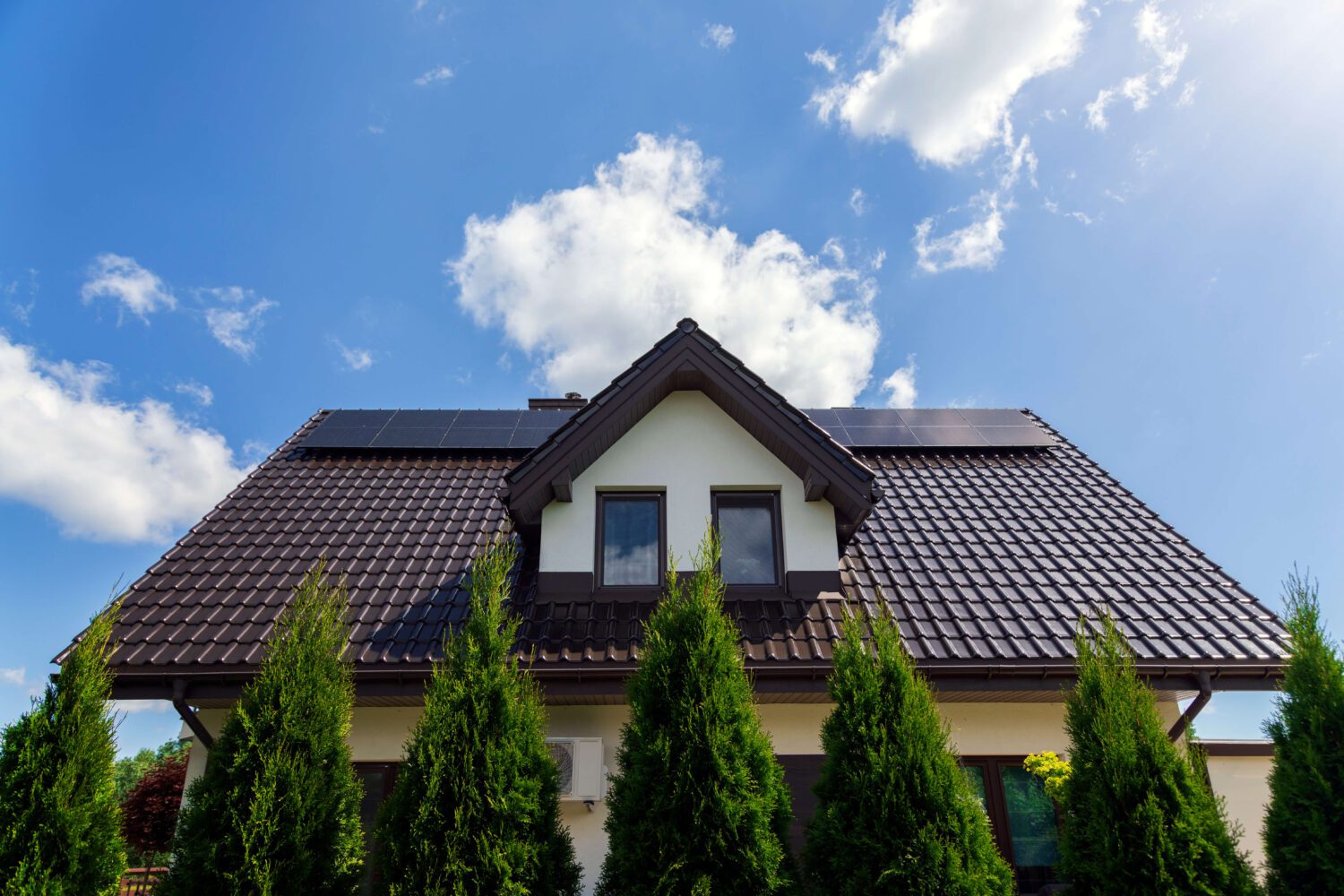
If you’re a homeowner in Tampa Bay, your roof is more than just a finishing touch—it’s your home’s first line of defence against strong winds, heavy rain, humidity, and salt-laden air. In 2025, the roofing industry is facing unique cost pressures, and combining that with the region’s specific climate means smart maintenance is more critical than ever. This blog will walk you through what to expect cost-wise this year in our region, and share practical maintenance moves you can make now to protect your investment and avoid surprises.
1. Roofing Cost Outlook for 2025 in Florida 🇺🇸
Material & labour pressures:
- According to one report, roofing material prices are expected to rise significantly in 2025. For example, metal roofing systems in some cases are seeing cost increases of up to 60% due to tariffs on steel and aluminum.
- In Florida, specifically, the average replacement cost for various materials shows a wide range: for asphalt shingles, estimates for 2,000 sq ft roofs range in the ballpark of $9,000-$17,000+, metal can be $18,000-$32,000+, and tile even higher.
- One guide noted that in Florida the average cost of a roof replacement in early 2025 is around $13,000, but this depends heavily on size, material, slope, and complexity.
- Material cost volatility is real: for example asphalt shingle prices are rising by 6-10% every quarter in some markets.
- Labor and permit costs, supply-chain disruptions, and heightened building-code requirements (especially for wind-uplift and coastal exposure) add further cost pressures.
Implications for Tampa homeowners:
- Because Tampa is in a coastal zone with salt air and high-wind risk, you’ll often pay a premium for materials and installation that meet local code and durability demands.
- Delaying a needed roof replacement may result in higher costs later—not just from inflation, but also due to additional damage accruing in the meantime.
- Choosing the “cheapest” option now might lead to higher maintenance or earlier replacement down the road.
2. Cost Breakdown: What You’re Really Paying For
Understanding the components of a roofing project helps you evaluate quotes intelligently. Some cost drivers are:
- Material type and quality: Asphalt vs. metal vs. tile each carry very different price points and lifespans.
- Roof size, pitch, and complexity: A 2,000 sq ft simple roof is different from a multi-gabled, steep-pitch, skylight-filled roof.
- Tear-off vs. overlay: Removing an old roof adds cost (disposal, labour).
- Wind & hurricane code compliance: Fasteners, underlayment, secondary water barriers — especially important in Florida.
- Coastal/salt-air adjustments: Corrosion-resistant materials, heavy-duty flashing, specialty coatings.
- Labour availability: As one source notes, the construction and roofing industry in Florida is facing labour shortages, which may push up labour cost or delay schedules.
- Permit, inspection and disposal fees: Often overlooked in budget planning.
3. Smart Maintenance Moves to Stretch Your Roof’s Life & Reduce Long-Term Cost
Since full roof replacement cost is high and rising, smart maintenance becomes a powerful cost-saver. For Tampa homes, focus on the following:
A. Regular Inspections
- At least annually, ideally before storm season.
- Look for: missing or curled shingles, exposed fasteners, rust or corrosion on flashing, debris in valleys/gutters.
- Coastal homes should consider a mid-year check as well because salt-air and humidity accelerate wear.
B. Clean-Up & Debris Removal
- Clear pine needles, leaves, twigs from roof valleys, gutters and downspouts. These trap moisture and accelerate deterioration.
- Rinse off salt deposits (especially on metal roofs) with fresh water using a gentle spray—don’t use high-pressure washers.
- Trim overhanging branches to reduce debris buildup and wind-damage risk.
C. Address Corrosion and Salt-Air Effects
- Coastal exposure means salt can corrode fasteners, flashing and metal components.
- Use corrosion-resistant hardware (stainless steel, aluminum) and protective coatings where appropriate.
- Consider rinsing the roof especially after major storms or high salt-spray events.
D. Ventilation & Attic Moisture Management
- Proper attic ventilation prevents condensation build-up, which can weaken decking and underlayment.
- Since Tampa has high humidity, ensuring your attic isn’t a moisture trap will extend roof life.
E. Fix Small Issues Promptly
- That curled shingle or rusty flashing might seem minor but can become a major leak. Addressing it early costs far less than full replacement.
- Keep records of maintenance—this may help with warranties or insurance if damage occurs.
4. How Maintenance Lowers Long-Term Replacement Cost
- Preventive care can delay full replacement by years, reducing the frequency of high-cost projects.
- When you keep your roof in good shape, you’re more likely to qualify for better insurance terms or at least avoid issues that aren’t covered (due to neglect).
- Over time, the “extra” you spend up-front on better materials and installation (in Tampa’s climate) pays off by lower maintenance, fewer repairs, fewer leaks, and higher home value.
5. Strategic Planning for Your Next Roof Investment
- Get quotes from multiple contractors and compare apples-to-apples: same material grade, same code compliance, same tear-off vs overlay.
- Ask about material warranties, workmanship warranties, and coastal-specific details (e.g., fastener type, corrosion protection).
- If your roof is nearing the end of its useful life or you’ve had repeated repairs, consider investing in a premium material (metal, tile) which, although more costly now, lasts far longer and resists Tampa’s climate better.
- Budget for more than just material: plan for disposal, permits, potential upgrades required by code changes.
- Schedule major replacement before major storm season when possible—contractor demand could raise costs if you delay.
- Maintain a maintenance log with inspections, cleaning and minor repairs—it will help future resale and insurance claims.
Conclusion
In 2025, for Tampa-area homeowners, roofing investment is a blend of cost and climate intelligence. While prices are trending upward due to materials, labour and regulatory demands, the smart homeowner doesn’t just buy a roof—they maintain it diligently, plan ahead, and choose materials suited to our coastal environment. At Matera Roofing, we’re here to help you navigate both sides of the equation: the cost outlook and the maintenance moves that make your investment last longer, perform better, and deliver real peace of mind. Give us a call today for your free inspection and tailored roofing plan.