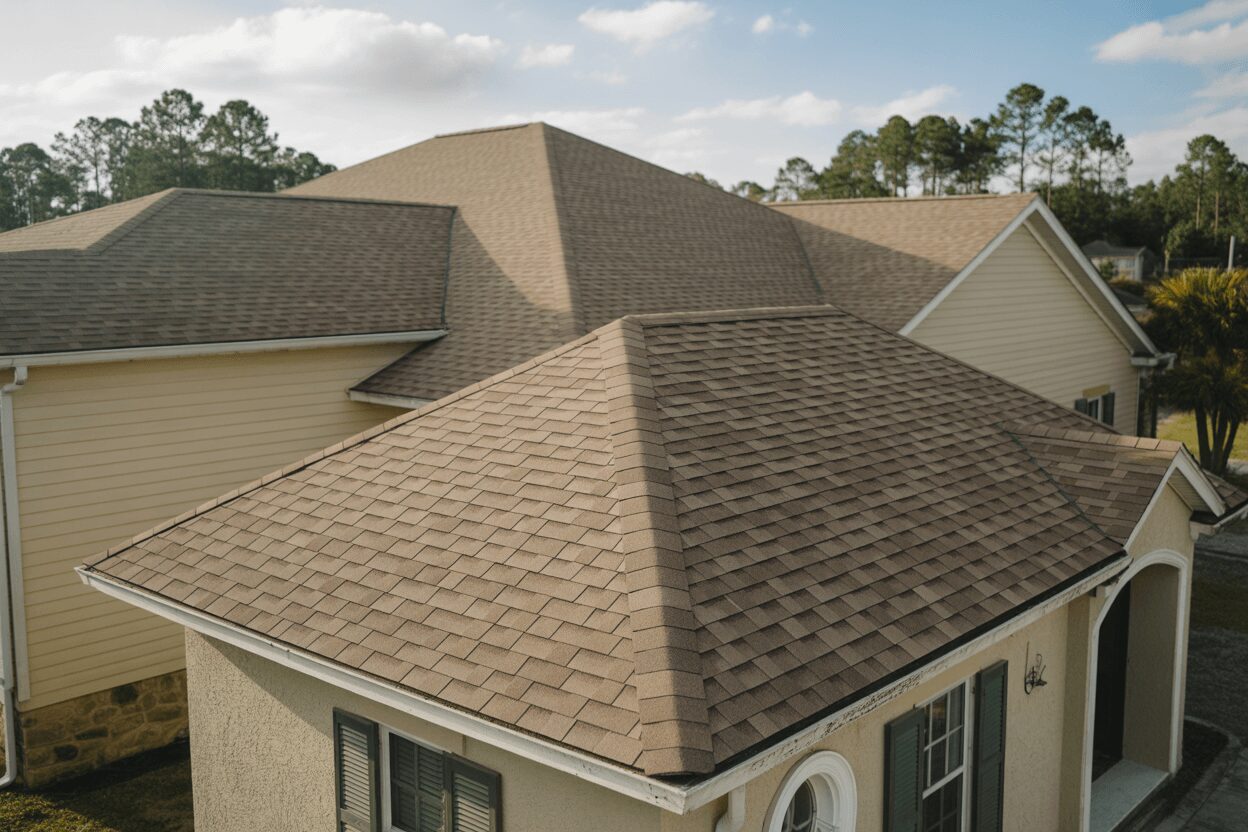
When tax season rolls around, nobody complains about saving a little extra money. For Florida homeowners—especially those in Tampa—there’s some good news: certain roof upgrades can qualify for valuable energy tax credits. If you’re thinking about replacing your roof, making it more energy-efficient, or preparing your home for solar panels, you may qualify for federal savings.
Let’s break down what counts, how the credits work, and why the timing is perfect for Florida homeowners planning a roof project in 2025–2026.
🌤️ Florida Weather Makes Energy-Efficient Roofs a Smart Investment
Living in Florida means dealing with strong sun, high humidity, and rising energy bills—especially during summer. That’s why many homeowners upgrade to materials that keep their homes cooler and cut down on energy use.
The IRS offers tax credits for certain energy-efficient upgrades, including specific roofing improvements. And given the heat we face in Tampa, these savings can make a real difference.
💡 First Question: Do All Roof Replacements Qualify?
Not all roofs qualify for energy tax credits.
A standard shingle replacement doesn’t count—no matter how new or beautiful it looks.
To earn a tax credit, the materials must be ENERGY STAR® certified or designed to reduce heat transfer, such as:
- Energy-efficient metal roofs with pigmented coatings
- Energy-efficient asphalt shingles designed to reflect heat
- Solar-ready roofing materials
- Roofs designed to support solar systems (when installed with solar equipment)
While the tax credit doesn’t apply to regular roof replacements, it applies to energy-efficient materials or solar-integrated roofing systems.
🏡 What Roofing Upgrades Do Qualify?
1. Energy-Efficient Metal Roofs
Metal roofs with special reflective coatings help reduce heat absorption. These types of roofs keep your attic cooler and reduce strain on your AC.
These usually qualify under the Energy Efficient Home Improvement Credit.
2. Energy-Efficient Asphalt Roofs
Some asphalt shingles contain materials that reflect sunlight better than normal shingles. These are often labeled as “cool roof” shingles.
3. Solar-Ready Roofing Systems
If your roof upgrade includes preparing your home for solar—such as installing solar mounting hardware or solar roofing tiles—those components may qualify when combined with a solar installation.
4. Solar Panels (and Roofing That Supports Them)
If you’re installing solar panels along with a new roof or replacing parts of the roof specifically for solar installation, then you can apply the 30% Federal Solar Tax Credit to those roofing costs.
This is called the Residential Clean Energy Credit (30%), and it’s one of the most generous incentives available.
🧾 Understanding the Federal Energy Tax Credits for Roofs
There are two major credit types homeowners should know:
✔️ 1. Energy Efficient Home Improvement Credit (Up to 30%)
This applies to upgrades that improve your home’s insulation and energy efficiency.
For roofs, this includes:
- Energy-efficient metal roofs with reflective coatings
- Energy-efficient asphalt shingles
- Certain solar-ready roofing components
Credit Amount:
Up to 30% of the cost, capped annually depending on the type of improvement.
✔️ 2. Residential Clean Energy Credit (30%)
This credit applies to solar panels and roofing components necessary for solar installation.
Examples of what qualifies:
- Solar panels
- Solar roof tiles
- Solar mounting equipment
- Roof sections replaced because of solar (e.g., damaged shingles under solar racks)
Credit Amount:
30% of the entire project cost—no cap.
🌞 Why This Matters for Florida Homeowners
Florida is the perfect place for energy-efficient upgrades and solar installations. Tampa homeowners, in particular, benefit from:
- High sun exposure (perfect for solar savings)
- High cooling costs (efficient roofs reduce utility bills)
- Hurricane concerns (modern roofs are stronger and safer)
- Long-term home value increases
An energy-efficient roof isn’t just good for the environment—it’s great for your wallet.
🔍 Signs It Might Be Time to Upgrade Your Roof Anyway
If your roof is showing these signs, you may already be due for an upgrade:
- Curling or missing shingles
- Leaks or water stains inside your home
- Rising energy bills
- Roof over 15–20 years old
- Moss, mold, or heat spots
- Damage from storms like Helena or Milton
Upgrading now—with tax credits—can lighten the financial load.
📝 How to Claim the Tax Credit
- Choose qualifying materials (ENERGY STAR® or solar-ready).
- Save all receipts and manufacturer certification statements.
- Fill out IRS Form 5695 when filing taxes.
- Submit documentation with your return.
- Consult your tax professional if you have questions.
💬 Real-Life Example: A Tampa Homeowner Saves Big
Maria, a Tampa homeowner in Carrollwood, upgraded her old shingle roof to an energy-efficient metal roof. The project cost $18,000. The reflective coating qualified for the 30% energy tax credit, allowing her to claim $5,400 in credits.
Her summer energy bills dropped by about 15%, and the roof’s lifespan doubled compared to standard shingles.
This is just one of many examples of Tampa homeowners benefiting from energy-efficient upgrades.
🎁 Final Thoughts: Tax Season is the Perfect Time to Upgrade
If you’ve been considering a roof replacement, this might be the best time to move forward. Energy-efficient and solar-ready roofs can help Tampa homeowners:
- Reduce cooling costs
- Qualify for federal tax credits
- Increase home value
- Improve hurricane protection
- Prepare their homes for solar energy
Not every roof qualifies—but the right materials can bring real savings.
Thinking about upgrading your roof before tax season? Matera Roofing can help you choose energy-efficient or solar-ready materials that may qualify for credits. Contact us today for a FREE estimate!